
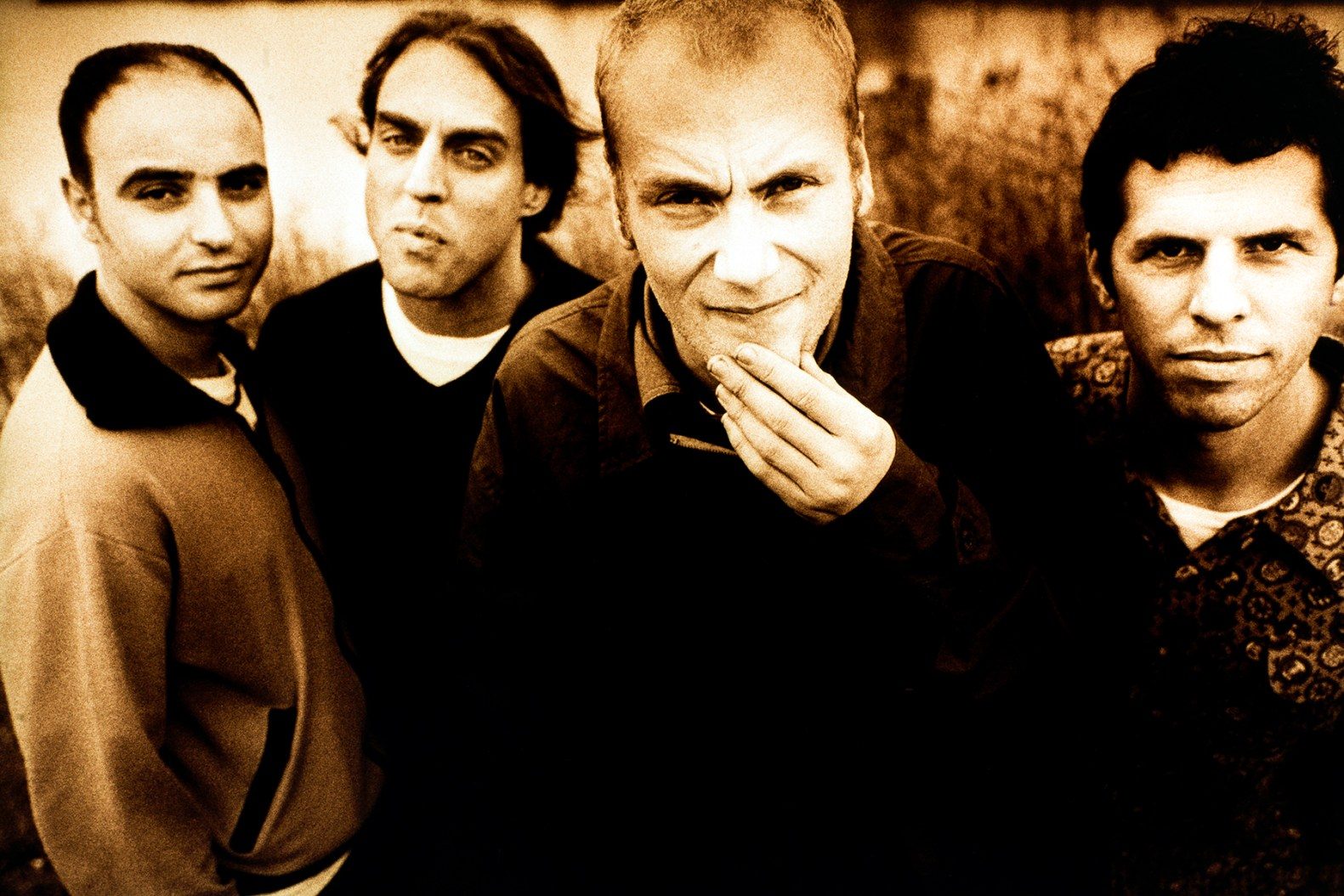
Soul Coughing Shop: How This Band Redefined 90s Alternative Sound
In the mid-1990s, the music scene was electrified by a wave of innovative bands that defined the decade's alternative sound. One such band was Soul Coughing, a group that carved out a unique niche, blending jazz, rock, and hip-hop influences. Their eclectic mix of genres and distinctive lyrics set them apart from their contemporaries, leaving a lasting impact on the music industry. Let's explore how the Soul Coughing Shop redefined the 90s alternative sound and continues to resonate with listeners today.
The Formation of Soul Coughing
Formed in New York City in 1992, Soul Coughing was led by the charismatic frontman Mike Doughty. The initial lineup also included bassist Sebastian Steinberg, drummer Yuval Gabay, and multi-instrumentalist Chris WIBG. What made them unique was their approach to music; they blended traditional rock instrumentation with unconventional sounds, using samples and loops to create a rich tapestry of sound. This experimental ethos was key to their identity and laid the groundwork for their signature style.
A Unique Sound That Captivated Audiences
Soul Coughing's self-produced debut album, "Ruby Vroom," released in 1994, served as a perfect introduction to their innovative sound. With songs that featured catchy hooks and incisive lyrics, the album captured the attention of both critics and fans. Tracks like "Super Bon Bon" and "Circles" showcased the band's ability to combine spoken word with musical experimentation, making them stand out in a crowded alternative scene. The album's success established them as a force to be reckoned with and opened the doors for further exploration into their musical identity.
What truly set Soul Coughing apart was their lyrical depth. Mike Doughty's lyrics were often introspective and rich with cultural references. He painted vivid pictures through his words, drawing listeners into his world of urban angst and existential musings. This lyrical complexity resonated with a generation that craved authenticity and depth in music. Songs from the Soul Coughing Shop era explored themes of love, loss, and the absurdity of modern life, reflecting the struggles of the 90s youth.
The Commercial Success and Legacy
Their sophomore album, "El Oso," released in 1998, further cemented Soul Coughing's place in the alternative music landscape. This album included hits like "Sleepwalk" and "Soundtrack to Mary," showcasing their evolving sound and lyrical prowess. By incorporating elements of funk and electronica, Soul Coughing demonstrated their ability to adapt and innovate. The success of "El Oso" not only solidified their fan base but also influenced a new generation of artists who looked to the band for inspiration.
Influence on Today’s Music Scene
The legacy of Soul Coughing continues to linger in the music scene. Their unique blend of genres paved the way for artists across various styles, from indie rock to hip-hop. Contemporary bands often cite Soul Coughing as an inspiration, reflecting their impact on the broader musical landscape. Additionally, the resurgence of 90s nostalgia has introduced a new audience to their music, further ensuring that their innovative spirit lives on. The Soul Coughing Shop remains an emblem of a transformative era in music, reminding us of the importance of experimentation and authenticity in art.
In conclusion, Soul Coughing was undeniably a band that redefined the 90s alternative sound. Their ability to merge diverse musical elements with profound and thought-provoking lyrics left a significant mark on the music industry. As we reminisce about the vibrant music scene of the 90s, Soul Coughing stands out as a symbol of creativity and innovation, prompting us to seek out music that dares to challenge the status quo.